

Privacy Coins
Monero, Zcash, and the rebirth of privacy on Solana — how privacy coins and new primitives are reshaping what it means to move value discreetly onchain.
Privacy Coins and the Rebirth of Privacy on Solana
Blockchain technology has introduced a new era of financial transparency. In a cryptocurrency ecosystem where transactions and wallet balances are permanently recorded and publicly visible, participants can interact with increased trust and without intermediaries. These features strengthen network security and enable investigations into stolen funds, transaction analysis, and identity discovery.
However, not all blockchains are transparent. Privacy coins are the major exception.

What Are Privacy Coins?
Privacy coins are cryptocurrencies with built-in privacy‑enhancing features designed to reduce traceability and increase anonymity. Conceptually, they function much like physical cash — but in a digital environment.
When you withdraw cash from an ATM, the bank records the withdrawal, but it cannot observe how the cash is used afterward unless it re-enters the banking system. Similarly, most cryptocurrency exchanges require identity verification at onboarding, but once privacy coins leave the exchange, tracking subsequent transactions becomes significantly more difficult due to their cryptographic protections.
Although privacy coins are far more resistant to surveillance than standard cryptocurrencies, no system is perfectly anonymous. Advanced investigators may still trace activity under certain conditions.
How Do Privacy Coins Work?
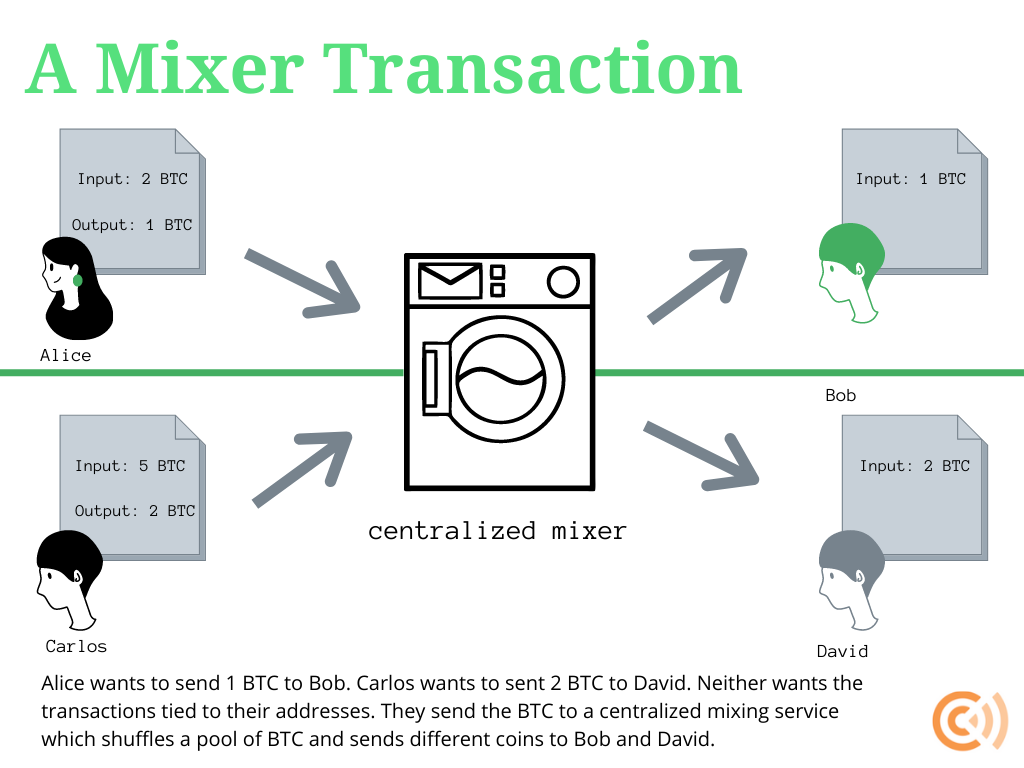
Privacy coins employ several cryptographic techniques to obscure transaction details:
Stealth Addresses
A new address is generated for each transaction, preventing address reuse. Monero uses stealth addresses combined with private view and spend keys to separate visibility from control.
Ring Signatures
Multiple users are grouped into a “ring,” making it computationally infeasible to determine which participant signed a transaction. This technique is foundational to Monero and Bytecoin.
zk-SNARKs
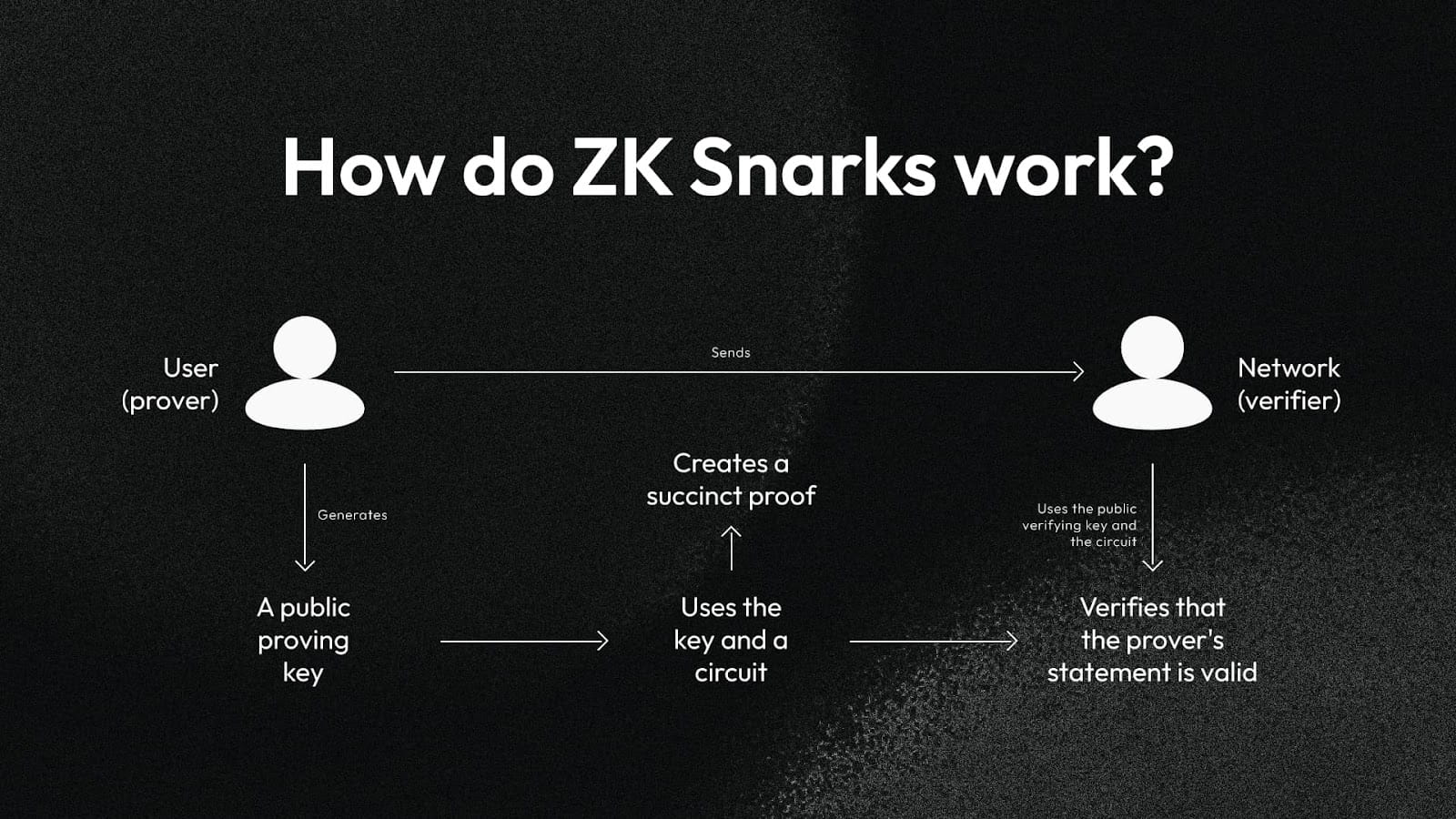
Zero‑Knowledge Succinct Non‑Interactive Arguments of Knowledge allow transactions to be validated without revealing sender, receiver, or amount. Zcash pioneered large‑scale zk‑SNARK deployment.
The Most Well‑Known Privacy Coins
As of 2023, the three most prominent privacy coins by market capitalization are:
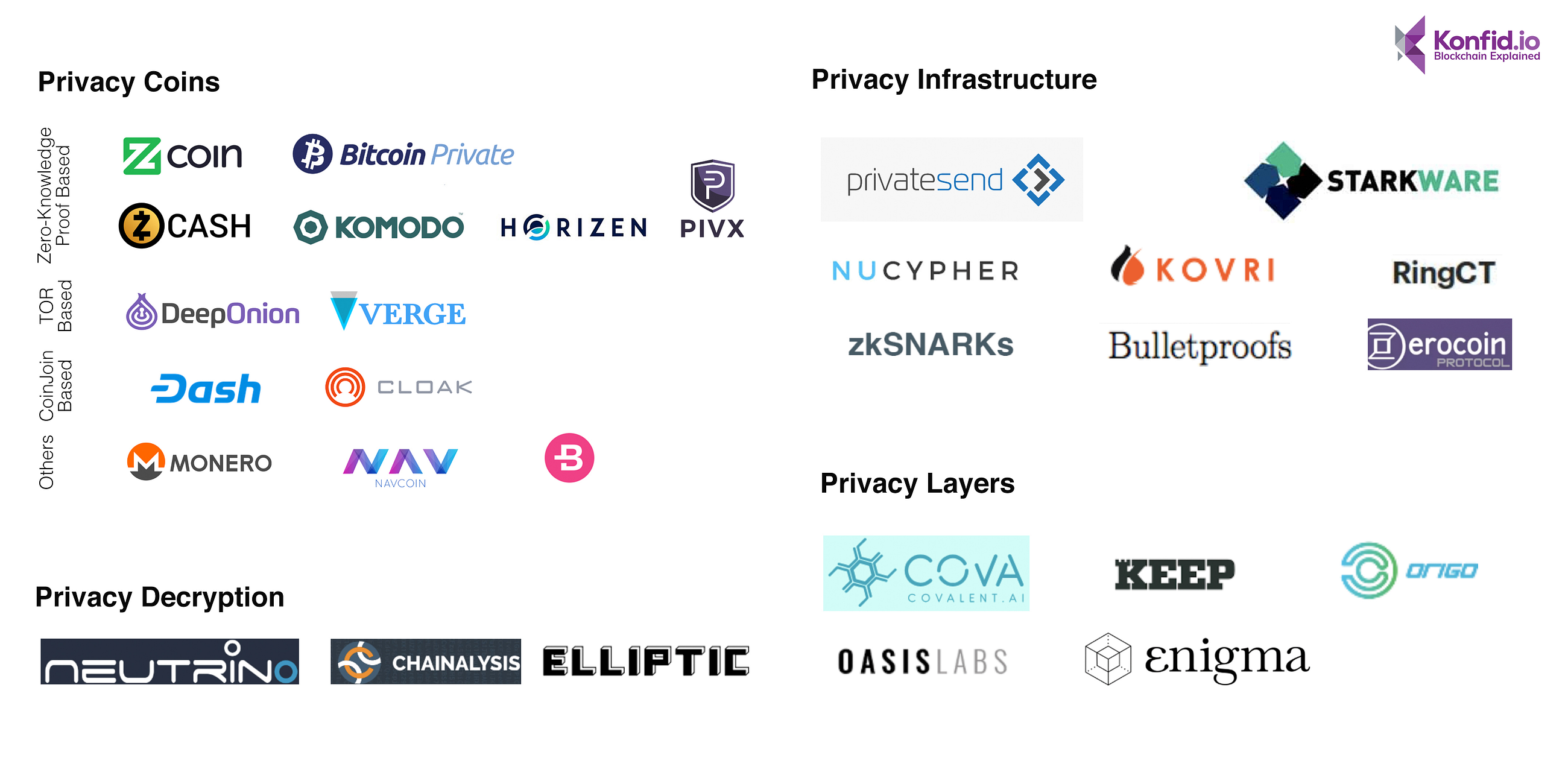
- Monero (XMR) — privacy by default using stealth addresses, ring signatures, and RingCT.
- Zcash (ZEC) — selectively private using zk‑SNARKs.
- Dash (DASH) — optional privacy via PrivateSend (CoinJoin‑style mixing).
Among these, Monero is widely regarded as the only major cryptocurrency where all users are private by default.
Privacy Coin Use Cases
Privacy coins are often associated with illicit activity, but empirical evidence suggests otherwise. Criminals overwhelmingly continue to use Bitcoin due to its liquidity, ease of access, and fiat on‑ramps.
Legitimate use cases include:
- Reducing authoritarian financial control in regions using CBDCs or financial blacklists.
- Protecting sensitive financial information and personal safety.
- Shielding donations, payroll, and personal wealth from exposure.
A 2020 Perkins Coie report concluded that privacy coins pose no greater inherent AML risk than other cryptocurrencies, while providing meaningful civil‑liberty benefits.
Regulatory Pressure and Privacy Coin Bans
Privacy coins remain legal in the United States, but restrictions have increased globally. Japan, South Korea, Australia, and Dubai have delisted or banned privacy coins. Several major exchanges — including Bittrex, Kraken (UK), BitBay, and Huobi — have removed Monero and similar assets under regulatory pressure.
These developments raise an existential question: can privacy coins survive long‑term regulatory hostility?
The Limits of Privacy Coins
While privacy coins deliver strong anonymity, they face tradeoffs:
- Limited programmability.
- Reduced DeFi composability.
- Increasing regulatory friction.
This has led the ecosystem toward a new paradigm: privacy as infrastructure, not a separate chain.
The Rebirth of Privacy on Solana
The largest rugpull in blockchain history won’t be a token — it will be ignoring privacy. Everything crypto promises — freedom, autonomy, equitable economies, community‑driven governance — collapses without it.
Blockchain infrastructure is now mature: scalable consensus, performant execution, composable interoperability. As Chris Dixon notes in Read, Write, Own, the defining moment arrives when developers no longer think about infrastructure.
One core layer is still missing: privacy.

Privacy Is Non‑Negotiable
Privacy underpins human dignity, autonomy, speech, and association. Without it, advanced technologies risk becoming instruments of surveillance rather than liberation — especially as AI, data aggregation, and behavioral modeling accelerate.
Privacy enables applications that cannot exist otherwise:
- Dark liquidity pools.
- Games with hidden state.
- Personalized AI agents.
- Confidential governance and coordination.
This makes privacy not just a technical challenge, but a moral imperative.
Solana as the Dark Horse
Solana has emerged as one of the most resilient and adaptive Layer‑1 ecosystems. Despite volatility and skepticism, it has cultivated a thriving developer community, institutional backing, and production‑grade applications.
Solana’s trajectory mirrors privacy itself — misunderstood, undervalued, yet inevitable.
A Brief History of Privacy on Solana
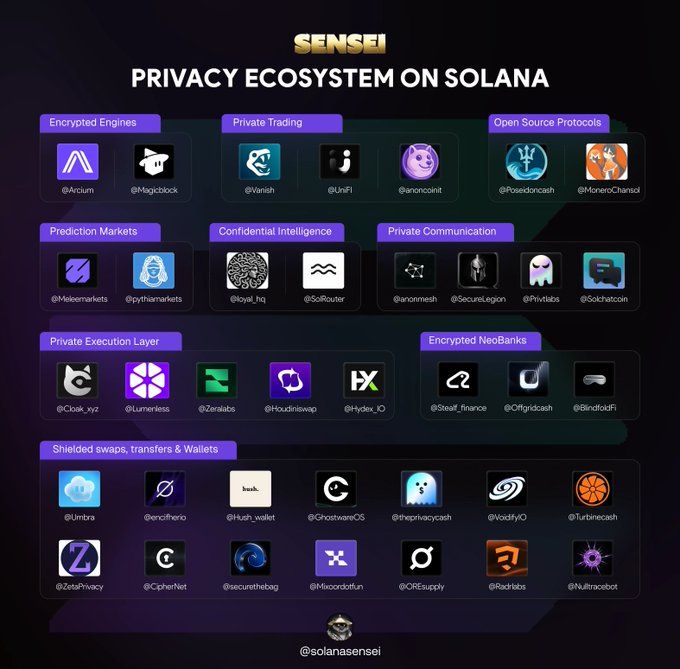
Early privacy efforts on Solana explored shielded transactions and zero‑knowledge proofs:
Otter Cash
An early ZK‑based transaction protocol that later pivoted to Renegade on Arbitrum.
Light Protocol
Initially focused on private transactions, Light pivoted to ZK Compression for scalable data storage.
Elusiv
An application‑layer privacy solution enabling private transfers, swaps, and developer tooling. Elusiv also pioneered ZEUS, a ZK‑based compliance framework.
Darklake
A forthcoming confidential AMM designed to enable MEV‑resistant swaps on Solana.
Despite strong technical foundations, many projects pivoted away.
Why Early Privacy Solutions Struggled
- Complex UX.
- Siloed integrations.
- Privacy treated as optional.
- Immature Privacy‑Enhancing Technologies.
- Limited developer mindshare.
The conclusion was unavoidable: privacy must be foundational, not optional.
Decentralized Confidential Computing on Solana
Arcium introduces Decentralized Confidential Computing (DeCC) to Solana. Using Secure Multi‑Party Computation, Arcium enables programs to execute entirely on encrypted data — unlocking a new design space for:
- Private DeFi (dark pools, private lending).
- On‑chain games with hidden logic.
- DePIN data provisioning.
- Encrypted AI training and inference.
As a stateless encrypted compute network, Arcium provides trustless, permissionless confidential computation optimized for AI and Web3 workloads.
Looking Ahead
Privacy on Solana is no longer theoretical. PETs have matured. Regulatory clarity is emerging. AI raises new stakes for confidentiality and control.
By embedding privacy into its core infrastructure, Solana is positioned to complete the decentralized stack — enabling sovereignty, trust, and freedom at global scale.
Privacy is no longer a niche. It is the final layer.